Understanding corporate video production China requires recognizing that corporate shoots operate under different logistical pressures than narrative or commercial advertising projects. While creative expectations may appear straightforward, the operational workflow involves layered approvals, regional coordination, corporate stakeholder alignment, and precise scheduling within business environments.
International producers often assume corporate filming carries fewer administrative requirements. In reality, filming in China within corporate environments combines facility access control, compliance procedures, equipment logistics, and bilingual coordination. This guide outlines how corporate production workflows function step by step, highlighting regulatory realities, equipment strategies, budget considerations, and practical execution methods across regions.
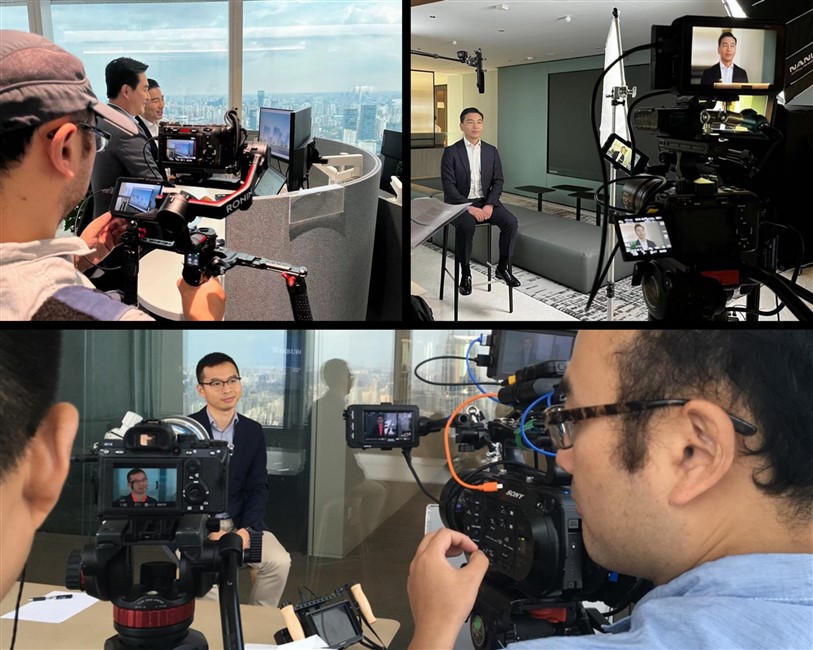
Corporate Video Production China and Project Classification
Corporate filming sits between commercial advertising and documentary production. Classification affects permit requirements and workflow planning.
Projects typically include:
- Corporate brand films
- Executive interviews
- Factory or office showcase videos
- Internal communications content
- Training or recruitment films
Some projects require only local filming permits, while others need additional documentation depending on distribution scope or foreign involvement.
Corporate clients often impose internal approval layers. Legal departments may review scripts, shot lists, and interview topics before filming begins.
Establishing project classification early helps determine the necessary administrative pathway and prevents schedule disruptions later.
Workflow Differences Compared to Western Corporate Production
Corporate video production China differs from Western workflows primarily in administrative sequencing.
Common distinctions include:
- Greater reliance on written approvals
- Clear hierarchical decision-making within organizations
- Structured access procedures for offices or industrial facilities
Creative decisions may depend on executive sign-off rather than departmental approval.
Timeline planning must account for corporate scheduling realities. Executives may only be available during limited windows, requiring precise coordination between production logistics China teams and internal corporate calendars.
Producers benefit from confirming communication channels early. Misalignment between corporate stakeholders can slow production progress.
Pre-Production: Location Scouting China and Access Planning
Location scouting China for corporate environments involves operational evaluation rather than purely aesthetic considerations.
Factors include:
- Office security protocols
- Badge or access requirements
- Equipment transport routes within buildings
- Elevator access for heavy gear
- Noise levels affecting interview recordings
Corporate campuses often require advance visitor registration. Large crews may need staggered entry schedules.
Regional differences matter. Headquarters offices in major cities maintain stricter security procedures. Smaller branch offices may offer greater flexibility.
Scouting should include testing power supply availability and verifying lighting conditions to avoid last-minute equipment adjustments.
Equipment Strategy and Technical Workflow
Corporate shoots typically prioritize efficiency over scale. Equipment choices should align with mobility and minimal disruption.
Local equipment rental China networks offer flexible camera package China options suited for interviews and office environments.
Advantages of local sourcing include:
- Compliance with wireless frequency regulations
- Faster replacement if equipment fails
- Reduced customs exposure compared to importing gear
Shipping specialized equipment under ATA carnet China procedures may be necessary for proprietary setups, but corporate filming schedules often benefit from simplified logistics.
Compact lighting setups minimize interference with daily office operations. Silent or battery-powered equipment helps maintain professional environments.
Crew Structure and Bilingual Coordination
Corporate production often involves interaction with non-production personnel unfamiliar with filming processes.
A bilingual crew structure improves communication during:
- Interview direction
- Safety briefings
- Corporate messaging alignment
- Technical explanations to internal staff
Clear crew hierarchy prevents confusion during busy office filming.
Roles typically include:
- Director or producer managing corporate expectations
- Line producer China coordinating logistics and permits
- Camera operator and assistant
- Sound recordist
- Production coordinator liaising with corporate teams
Smaller crews reduce disruption and simplify access management.
Filming Permits and Administrative Layers
Corporate filming sometimes proceeds under internal authorization alone, but external permits may still apply depending on location.
Public-facing exterior shots often require municipal filming permits. Drone operations require separate aviation clearance under drone regulations China.
Corporate buildings located in business districts may require coordination with property management or local authorities.
Maintaining accurate documentation on set helps address unexpected inquiries from building security or local officials.
Aligning permit scope with planned activities avoids complications during filming.
Production Budget China Realities for Corporate Shoots
Corporate budgets often prioritize efficiency and reliability rather than large-scale production value.
Key cost considerations include:
- Corporate facility access fees
- Additional security staffing
- Executive scheduling constraints leading to compressed timelines
- Equipment adaptation for indoor environments
Travel costs increase when corporate projects involve multiple offices across regions.
Production budget China planning should include contingency for executive schedule changes or last-minute messaging revisions.
Corporate approvals may delay filming start dates, increasing holding costs for crew or equipment.
Cross-City Production and Corporate Networks
Many corporate clients operate across multiple cities. Cross-city production introduces logistical complexity even for relatively simple shoots.
Challenges include:
- Repeating permit processes per location
- Transporting equipment between offices
- Aligning filming styles across diverse environments
- Managing varying corporate cultures between regions
High-speed rail supports efficient crew movement, but equipment transport requires additional planning.
Consistency becomes a creative challenge. Lighting setups and camera configuration should remain standardized across locations.
Parallel scheduling reduces total production duration but requires precise coordination.
Timeline Compression and Corporate Decision Cycles
Corporate filming often occurs within tight timeframes due to executive availability.
Compressed schedules require:
- Pre-rigged equipment setups
- Clear shot prioritization
- Flexible interview scheduling
Corporate environments rarely allow extended filming periods. Crews must work efficiently within limited access windows.
Approval cycles for messaging or branding changes may occur during filming. Producers should prepare for real-time adjustments.
Maintaining clear communication with corporate stakeholders reduces disruption during rapid schedule shifts.
Risk Mitigation and Operational Challenges
Corporate production carries unique risks:
- Sensitive messaging changes
- Confidentiality concerns
- Restricted areas within offices
- Unexpected security reviews
Data handling protocols should protect internal information. Some companies require pre-publication review of footage.
Backup interview schedules help mitigate cancellations. Alternate filming areas within the same facility provide flexibility if access changes.
Professional conduct and minimal disruption maintain positive relationships with corporate staff.
Regional Differences Affecting Corporate Video Production China
Operational environments vary between regions.
Shanghai and Beijing corporate headquarters often maintain structured approval procedures. Southern manufacturing hubs combine office and industrial filming requirements.
Technology companies may impose stricter data security rules. Traditional industries sometimes focus more on safety compliance.
Understanding regional corporate culture improves collaboration and reduces negotiation friction.
Decision Framework for Corporate Video Production China
Before initiating corporate video production China, evaluate:
- Does project classification require external filming permits?
- Are executive schedules driving timeline compression?
- Will local equipment rental improve flexibility?
- Are multiple corporate offices involved across regions?
- Does the production budget China include contingency for internal approval delays?
Corporate video production in China succeeds when creative goals align with corporate workflows and administrative expectations.
Careful planning around crew structure, equipment strategy, and location logistics enables efficient execution while maintaining professional standards within business environments.