Planning documentary filming China involves a different operational structure than narrative or commercial production. Documentary crews often rely on mobility, rapid decision-making, and real-world access to locations and people. In China, regulatory layers, local administrative practices, and logistical realities shape how documentary shoots function day to day.
International teams frequently assume that documentary work benefits from smaller crews and lighter gear. While that can reduce complexity, filming in China still requires clear planning around permits, crew roles, equipment sourcing, and regional compliance differences. This guide outlines how documentary production actually works on the ground, focusing on workflow sequencing, risk management, and decision-making frameworks for foreign producers.
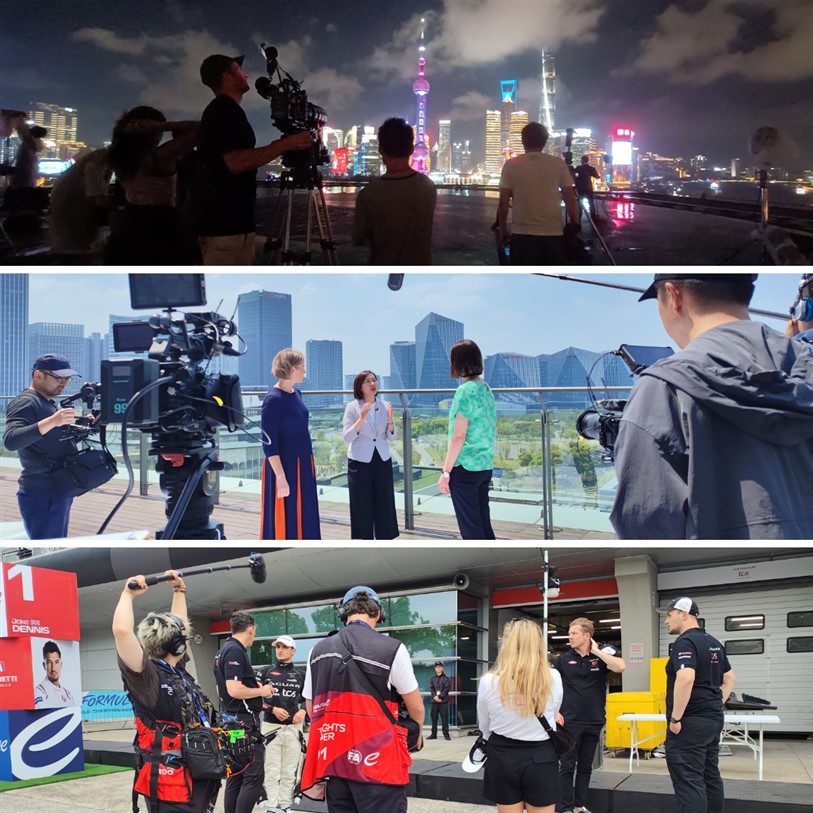
Regulatory Landscape for Documentary Filming China
Documentary projects vary widely in classification. Some operate under general commercial filming permits, while others require additional oversight depending on distribution intent and crew structure.
Authorities typically evaluate:
- Project subject matter
- Foreign involvement level
- Intended broadcast or distribution platform
- Crew size and technical footprint
Municipal film offices often handle straightforward corporate or educational documentaries. Larger international broadcast projects may require additional administrative layers.
Documentation clarity reduces delays. Producers should prepare concise project summaries and accurate crew lists.
Local enforcement practices differ by city. Shanghai and Beijing tend to follow structured review procedures. Smaller municipalities may rely more on direct negotiation with district authorities.
Assuming flexibility without permits can lead to production interruptions.
Documentary Filming China Workflow vs Western Production Models
Documentary teams accustomed to flexible Western workflows may need to adjust expectations.
In China:
- Written approvals carry more weight than informal agreements.
- Location access often depends on pre-arranged introductions.
- Administrative hierarchy influences decision speed.
Spontaneous filming in public spaces may be feasible in some contexts, but relying solely on reactive shooting increases risk.
A structured workflow typically includes:
- Pre-production regulatory planning
- Location and subject approval coordination
- Equipment alignment with permit scope
- Daily compliance checks during filming
This approach maintains mobility while respecting local requirements.
Crew Structure and Bilingual Coordination
Small documentary crews benefit from streamlined communication, but language and administrative differences still require careful planning.
A bilingual crew member often serves as the primary liaison between production and local stakeholders. Responsibilities include:
- Translating safety instructions
- Managing permit documentation
- Facilitating interviews with local participants
- Coordinating logistics with drivers or fixers
Without clear communication channels, misunderstandings can escalate quickly, especially during sensitive interviews.
Foreign directors or cinematographers can operate efficiently when supported by local production coordination.
Defined crew hierarchy also improves clarity during unexpected inspections or access negotiations.
Location Scouting China and Access Strategy
Documentary storytelling often depends on real environments rather than controlled sets. Location scouting China should therefore prioritize access feasibility alongside visual appeal.
Considerations include:
- Local authority relationships
- Crowd density and filming sensitivity
- Transportation accessibility
- Noise levels affecting audio recording
Industrial or institutional locations may require formal approval letters before scouting visits.
Regional culture influences access negotiation. Some communities respond positively to early engagement and clear explanation of project purpose.
Producers should identify alternate locations during scouting to reduce risk if primary access becomes restricted.
Equipment Strategy for Documentary Production
Lightweight setups support documentary mobility, but equipment choices still affect permits and logistics.
Local equipment rental China networks provide flexible access to compact camera package China options suited for handheld or run-and-gun shooting.
Advantages of local rental include:
- Simplified compliance with wireless frequency regulations
- Faster replacement if gear fails
- Reduced customs risk compared to importing equipment
Shipping specialized gear under ATA carnet China procedures remains viable when necessary, but timeline flexibility becomes critical.
Documentary teams should prioritize reliability over complexity. Minimal technical footprint often reduces administrative scrutiny.
Filming Permits, Public Spaces, and Real-Time Flexibility
Documentary filming China often involves public environments. However, public filming is not always unrestricted.
Authorities may require:
- Notification for filming in busy areas
- Crowd management plans for larger setups
- Identification badges for crew
Filming permits should match intended activities. Deviating from approved scope may trigger intervention.
Flexible shooting schedules help accommodate regulatory conditions. Planning buffer time allows crews to adapt if access changes.
Maintaining visible professionalism and organized documentation improves interactions with local officials.
Cross-City Production and Travel Logistics
Documentary narratives frequently span multiple regions. Cross-city production introduces administrative and logistical challenges.
Key factors include:
- Separate permit applications per municipality
- Equipment transport planning
- Travel time affecting crew fatigue
- Regional cultural differences impacting interview access
China’s extensive transportation infrastructure supports efficient travel, but freight logistics require advance planning.
Weather variations between regions can affect shooting schedules significantly.
Parallel planning across cities reduces cumulative delays.
Drone Use and Documentary Aerial Footage
Drone footage enhances documentary storytelling but requires independent approval pathways.
Drone regulations China involve:
- Licensed operators
- Airspace authorization
- Defined flight parameters
Urban areas often restrict aerial operations more strictly. Documentary teams should avoid assuming drone use remains feasible without prior approval.
Using locally registered drones simplifies compliance. Imported drones may require additional registration before flight clearance.
Alternative methods such as elevated platforms or handheld stabilization may substitute for aerial coverage when approvals are not feasible.
Production Budget China Considerations for Documentary Projects
Documentary budgets differ from commercial production but still require realistic financial planning.
Cost drivers include:
- Permit processing
- Local transportation
- Translation support
- Equipment adaptation
- Additional insurance requirements
Extended shooting schedules increase accommodation expenses. Regional travel also affects cost stability.
Production budget China planning should include contingency funds for access changes or rescheduled interviews.
Currency fluctuations may influence final totals for international teams.
Timeline Risks and Contingency Planning
Documentary filmmaking often depends on real-world events and human subjects. In China, administrative and logistical factors add further unpredictability.
Common risks include:
- Sudden location access restrictions
- Weather disruptions
- Subject availability changes
- Permit clarification requests
Producers should develop flexible shooting frameworks rather than fixed sequences.
Maintaining secondary storylines or alternate interview subjects protects narrative continuity.
Clear communication with local partners allows faster adaptation when circumstances shift.
Regional Differences Affecting Documentary Filming China
Operational conditions vary widely across regions.
Coastal cities with international exposure may offer smoother administrative processes. Inland regions sometimes require longer approval cycles but provide greater visual diversity.
Tourist-heavy areas enforce stricter crowd management rules. Industrial regions impose more safety compliance.
Understanding regional nuance helps producers choose locations aligned with production goals and logistical capacity.
Decision Framework for Documentary Production Planning
Before initiating documentary filming China, consider:
- Does the project classification align with intended distribution?
- Are crew roles structured clearly for administrative communication?
- Will local equipment rental improve flexibility?
- Are drone sequences essential or optional?
- Does the production budget China include contingency for schedule changes?
Documentary filmmaking in China remains achievable when approached with structured preparation and realistic expectations. Success depends on aligning creative spontaneity with administrative clarity, balancing mobility with compliance, and building workflows that anticipate regional differences.
When producers treat documentary filming as both creative exploration and operational coordination, projects can move efficiently through China’s regulatory and logistical environment while preserving narrative authenticity.