Choosing between equipment rental China vs shipping gear is one of the most consequential operational decisions for international productions. The choice affects customs clearance, scheduling flexibility, permit approvals, crew coordination, and overall risk exposure. Many producers assume bringing familiar equipment ensures control. In practice, filming in China often favors strategic sourcing decisions shaped by regulatory realities and logistics constraints.
This guide examines how equipment workflows function on the ground, outlining when shipping makes sense, when local rental reduces risk, and how hybrid strategies can stabilize production logistics China for complex projects.
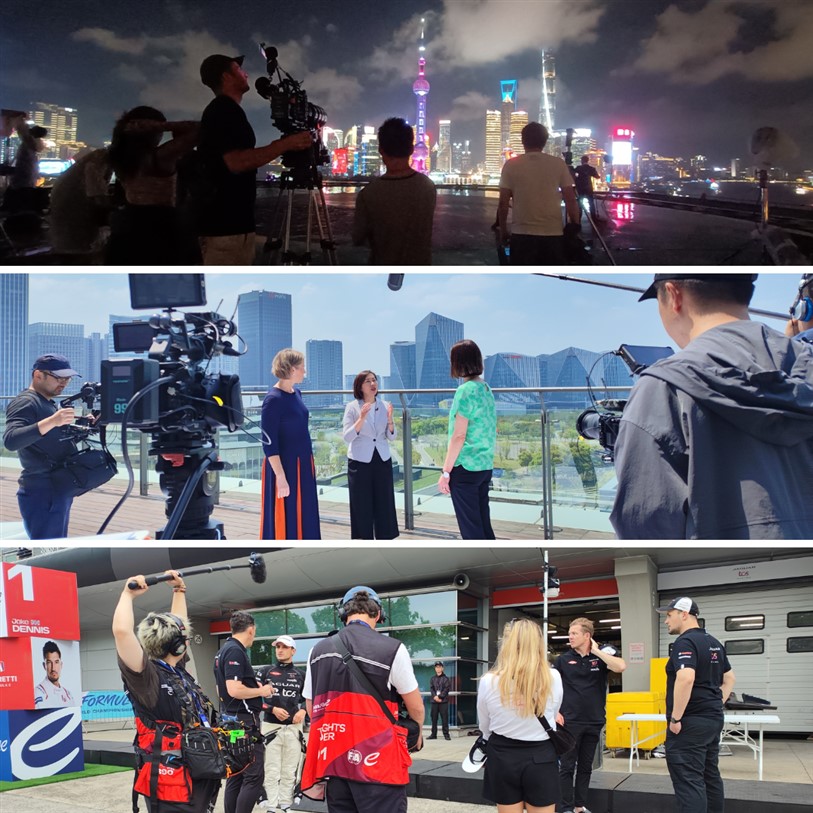
Equipment Rental China vs Shipping Gear: Operational Context
Equipment decisions intersect directly with administrative processes. Authorities may request detailed gear lists as part of filming permits submissions. The scale and type of equipment influence safety reviews and site approvals.
Shipping gear involves coordination with customs, freight handlers, and carnet documentation. Local equipment rental China avoids import complexity but requires early technical alignment.
The correct approach depends on:
- Production scale
- Technical specialization
- Schedule flexibility
- Number of locations involved
Large narrative projects sometimes ship proprietary rigs. Corporate or documentary shoots frequently rely on local sourcing due to reduced administrative friction.
Understanding how equipment choices ripple through permits and logistics is critical before finalizing budget and schedule.
Customs Reality and ATA Carnet China Procedures
Shipping equipment into China usually requires ATA carnet China documentation or temporary import permits. While carnets simplify customs declarations, they do not eliminate risk.
Common operational challenges include:
- Inspection delays at entry ports
- Documentation mismatches between carnet and packing list
- Additional scrutiny for wireless devices or drone systems
- Customs holidays affecting processing timelines
Even minor discrepancies in serial numbers can trigger inspection holds.
Producers should also consider re-export timing. Equipment must exit China within carnet validity windows. Schedule extensions require additional administrative coordination.
Local freight partners familiar with film gear can reduce risk, but customs processes remain unpredictable. Contingency planning is essential when shipping critical equipment.
Equipment Rental China Networks and Availability
Major production hubs maintain extensive rental ecosystems. Shanghai, Beijing, and Shenzhen offer diverse camera package China inventories, including cinema cameras, lenses, lighting, and grip.
Advantages of local rental include:
- Immediate replacement access if gear fails
- Compliance with local wireless frequency regulations
- Simplified insurance arrangements
- Faster permit documentation since equipment is locally registered
Regional differences matter. Tier-1 cities provide wide inventory depth. Smaller cities may require inter-city transfer from larger hubs, increasing transport cost.
Availability fluctuates during peak production seasons. Producers should confirm bookings early, especially for specialty lenses or high-end stabilization systems.
Local rental works best when technical requirements align with available inventory.
Production Budget China Considerations
Financial analysis often reveals that shipping costs extend beyond freight fees.
Shipping expenses include:
- Air freight or cargo shipping
- Carnet issuance and insurance
- Customs brokerage fees
- Local handling charges
- Temporary storage if clearance delays occur
Unexpected delays can require renting backup equipment locally, doubling costs.
Equipment rental China typically shifts spending toward daily rates rather than upfront logistics costs. For shorter projects, local rental often reduces financial exposure.
However, long-form productions or multi-month shoots may find ownership or shipping more economical if equipment remains in continuous use.
Budget decisions should compare total risk-adjusted cost rather than nominal rental rates.
Cross-City Production and Equipment Movement
Cross-city production introduces additional complexity when shipping gear internationally.
Transporting imported equipment between cities requires:
- Secure domestic freight arrangements
- Updated documentation for sensitive gear
- Coordination with local authorities at each location
Domestic rental networks sometimes provide simpler mobility. Equipment can be sourced in each city rather than transported across regions.
China’s geography also influences logistics. High-speed rail supports crew movement efficiently, but freight often travels separately.
Weather events and regional infrastructure differences can delay ground transport. Producers planning multi-city schedules should evaluate whether shipping gear adds unnecessary vulnerability.
Crew Workflow and Technical Compatibility
Technical familiarity influences equipment decisions. Foreign cinematographers may prefer known setups. Local crews often operate with regionally common configurations.
A mismatch between shipped gear and local support capacity can slow workflow. For example:
- Replacement parts may be unavailable locally
- Local assistants may require additional training
- Power standards or connectors may differ
Using locally familiar systems simplifies communication and troubleshooting.
Bilingual crew support becomes particularly valuable when using imported equipment. Clear translation of technical requirements prevents miscommunication during setup or troubleshooting.
Equipment strategy should align with crew structure rather than assume technical familiarity alone ensures efficiency.
Filming Permits and Equipment Disclosure
Authorities frequently require detailed equipment disclosure. Larger rigs or specialized vehicles may affect filming permits approval timelines.
Shipping equipment can trigger additional scrutiny because customs declarations must match permit submissions. Any inconsistency may require clarification.
Drone systems present a specific challenge. Drone regulations China require local registration and licensing. Imported drones may need additional verification before flight authorization.
Using locally registered equipment often simplifies compliance. Documentation already aligns with local regulatory expectations.
Producers should factor administrative workload into equipment decisions rather than focusing solely on technical performance.
Timeline Risks and Schedule Stability
Shipping introduces timeline uncertainty. Even well-planned carnets cannot eliminate potential customs inspection delays.
When schedules are tight:
- Local rental reduces dependency on international freight
- Backup equipment remains easier to source
- Permit submission aligns faster with confirmed gear lists
Projects with flexible timelines may accept shipping risk for specialized needs.
A practical strategy involves identifying critical-path equipment. Ship only items that cannot be replaced locally. Source all secondary gear within China.
This hybrid approach minimizes operational vulnerability.
Regional Logistics and Location Constraints
Location scouting China frequently reveals practical limitations affecting equipment choice.
Urban environments may restrict:
- Large cranes
- Heavy generators
- Oversized grip trucks
Historic districts or dense city centers impose additional access controls. Transporting imported heavy gear through narrow streets or restricted zones increases risk.
Local equipment suppliers often understand these constraints and recommend appropriate configurations.
In industrial or remote regions, rental availability may drop significantly. Shipping becomes more viable when local infrastructure cannot support technical requirements.
Risk Mitigation and Contingency Planning
Effective planning recognizes that equipment decisions influence the entire production workflow.
Risk mitigation strategies include:
- Maintaining duplicate data workflows when shipping specialty cameras
- Securing local backup lenses or lighting packages
- Confirming local technical support availability
- Scheduling buffer days before shooting begins
Insurance coverage must reflect transport risk. International policies may require additional riders for customs delays or equipment seizure.
Contingency planning reduces dependence on any single logistics pathway.
Decision Framework: Equipment Rental China vs Shipping Gear
Before committing, evaluate the following:
- Is the equipment technically irreplaceable locally?
- Does the timeline allow for customs unpredictability?
- Are multiple cities involved, increasing transport complexity?
- Will local crew familiarity improve efficiency with rented gear?
- Does the production budget China structure favor upfront freight or daily rental?
There is no universal answer. Documentary teams often benefit from local rental flexibility. High-end commercial productions may ship proprietary systems.
Filming in China requires aligning technical goals with regulatory and logistical realities. Equipment strategy should minimize operational risk rather than simply replicate familiar workflows.
A disciplined evaluation of customs exposure, local infrastructure, and schedule resilience enables producers to choose between equipment rental China vs shipping gear with clarity and confidence.