Estimating a realistic production budget China requires more than converting day rates. Filming in China involves layered approvals, regional price differences, customs considerations, and operational structures that differ from Western production models. Costs shift depending on city, crew composition, equipment sourcing strategy, and permit classification.
International producers often underestimate administrative impact. Permit lead times, transport logistics, and documentation requirements influence cash flow and contingency exposure. This guide outlines how production budgets function on the ground, where financial risk concentrates, and how to build realistic buffers for cross-city and international shoots.
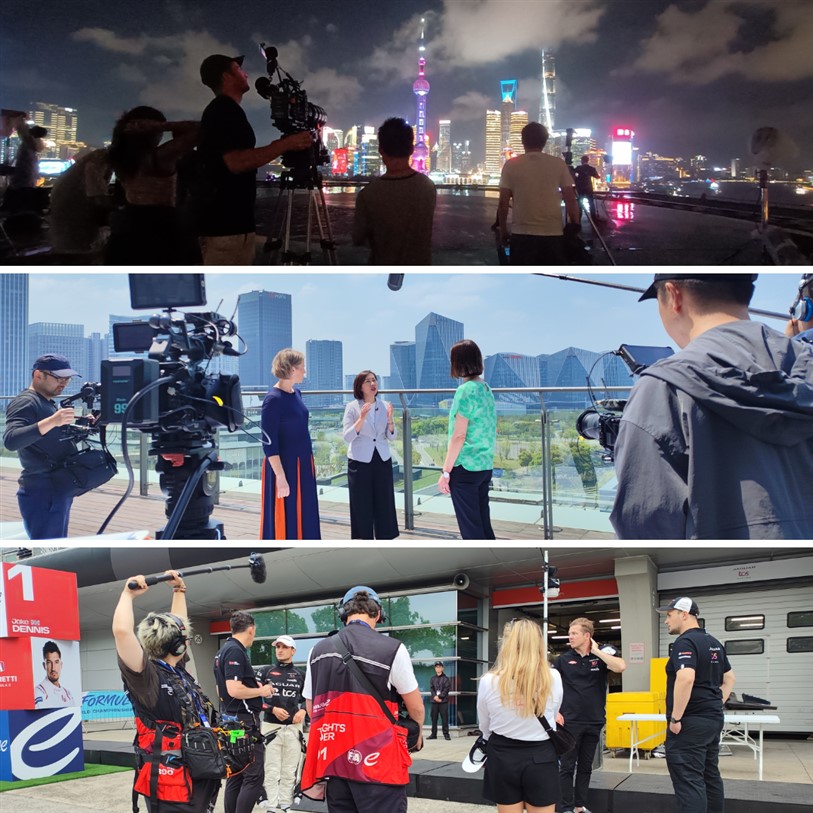
Production Budget China and Regulatory Layers
Permits affect cost more than many producers expect. Filming permits vary by city and content category. Corporate shoots typically require fewer approvals than broadcast or narrative projects. However, foreign involvement can introduce additional documentation steps.
Permit-related costs may include:
- Location application fees
- Government supervision charges
- Traffic or public safety coordination
- Insurance compliance
- Security staffing
In some districts, filming in public spaces requires advance deposits. Refund timing can impact cash flow planning.
Budget frameworks should account for review cycles. Delays in documentation approval often extend crew bookings and equipment holds, increasing exposure.
Administrative complexity grows with cross-city production. Each municipality maintains independent oversight structures.
Crew Cost Structure and Hierarchy
Crew rates vary significantly between cities. Shanghai and Beijing offer deeper technical pools. Competition moderates pricing in these hubs. In second-tier cities, limited availability can drive higher rates for specialized roles.
When building a production budget China model, consider:
- Local crew day rates
- Overtime thresholds
- Social insurance compliance
- Translation or bilingual crew support
Foreign crew introduces additional expenses. Airfare, hotels, per diem, and insurance coverage accumulate quickly. Visa processing may also affect scheduling.
Hierarchy matters. Authorities expect defined responsibility lines. Assigning a local line producer China role typically improves administrative clarity and reduces compliance risk.
Clear crew documentation prevents re-submission of permits due to title inconsistencies.
Equipment Rental China vs Shipping Gear
Equipment decisions directly affect budget structure. Renting locally reduces customs complexity but requires early availability confirmation. Major cities offer extensive camera package China inventories, including high-end cinema systems.
Shipping gear under ATA carnet China procedures introduces:
- Carnet processing fees
- Customs broker charges
- Potential inspection delays
- Freight insurance
Inspection holds can extend rental periods for backup equipment. Producers often overlook this contingency.
Hybrid strategies sometimes provide balance. Ship specialty lenses or proprietary rigs, but source lighting and grip locally.
Technical standards must also align. Wireless frequency regulations differ by region. Replacing non-compliant transmitters adds unexpected costs.
Production Budget China in Multi-City Projects
Cross-city production changes cost distribution. Transporting crew and equipment between regions requires:
- Domestic flights or high-speed rail
- Freight transport for gear
- Additional permit applications
- Local scouting re-evaluation
Location scouting China should account for regulatory conditions as well as aesthetics. Certain districts impose higher security requirements.
Parallel permit submissions across cities reduce timeline risk but increase upfront administrative spending.
Weather variation between regions can also create schedule fragmentation. Buffer days may be necessary when shifting between climates or terrain types.
Budget planning must reflect these geographic realities rather than assume national uniformity.
Location Constraints and Hidden Expenses
Location costs extend beyond rental fees. Public filming may require:
- Crowd management teams
- Temporary power infrastructure
- Local authority supervision
- Traffic coordination personnel
Historic or government-controlled sites often impose stricter access windows. Limited shooting hours can increase crew overtime.
Industrial facilities introduce additional safety compliance requirements. These sometimes include mandatory orientation sessions billed to the production.
Local negotiation culture also differs. Verbal agreements rarely replace written confirmation. Delays in finalizing contracts can cascade into crew re-booking fees.
Producers should allocate contingency specifically for location-driven adjustments.
Timeline Compression and Financial Exposure
Compressed schedules increase cost volatility. When approvals arrive later than expected, productions often maintain crew holds to protect dates.
Holding fees accumulate. Equipment rental China vendors may charge for reserved inventory even if final permits remain pending.
Holiday periods amplify this risk. Administrative offices close during national holidays, but crew and equipment bookings continue unless formally released.
Rapid schedule shifts affect accommodation costs. Hotel rates fluctuate seasonally in major cities.
Financial planning should integrate timeline scenarios:
- Ideal approval timing
- Moderate delay scenario
- Significant regulatory hold
Each scenario requires separate cash flow forecasting.
Drone Regulations China and Technical Permits
Drone operations introduce specialized cost centers. Drone regulations China require:
- Operator licensing
- Aircraft registration
- Airspace clearance
- Insurance documentation
Airspace approval often operates independently from general filming permits. Separate application timelines apply.
Hiring locally licensed operators reduces regulatory uncertainty. Flying in foreign pilots may require additional compliance verification.
Weather and urban density influence drone clearance. Urban cores may restrict operations entirely, forcing relocation or alternative camera solutions.
Budget allocation for aerial coverage should include contingency for denied airspace.
Insurance, Deposits, and Risk Mitigation
Insurance structures differ between regions. Some municipalities require proof of specific liability coverage levels before issuing permits.
Deposits for public spaces or infrastructure sites can be substantial. Refund cycles may take weeks after wrap.
Risk mitigation planning includes:
- Backup locations under similar permit categories
- Secondary equipment suppliers
- Alternate crew availability
Financial exposure often concentrates in the final week before shoot. This period carries the highest irreversible cost commitments.
Clear documentation protocols reduce compliance misunderstandings that trigger penalties or shutdowns.
Currency, Payment Terms, and Cash Flow
Currency conversion adds another layer to production budget China management. Exchange rate fluctuations can alter final costs between approval and wrap.
Domestic vendors may require partial prepayment. Some equipment houses demand full payment before release.
Government-related fees often require upfront settlement before permit issuance.
Cash flow sequencing becomes critical in cross-city production. Overlapping payment deadlines across municipalities can strain liquidity if not planned in advance.
International producers should confirm invoicing standards and bank processing timelines early.
Decision Framework for Building a Realistic Production Budget China
Before locking numbers, evaluate:
- How many regulatory authorities are involved?
- Are foreign crew or equipment introducing compliance complexity?
- Does the timeline allow buffer days for permit review?
- Are multiple cities requiring parallel submissions?
- What contingency percentage reflects actual exposure?
Standard contingency rates used in Western markets may be insufficient. Administrative variability and regional diversity require realistic margin.
Production logistics China operates through layered coordination. Budget accuracy depends on understanding those layers rather than assuming uniformity.
A disciplined approach—combining early documentation, regional awareness, equipment strategy alignment, and scenario-based forecasting—reduces financial surprises and protects schedule integrity when filming in China.